
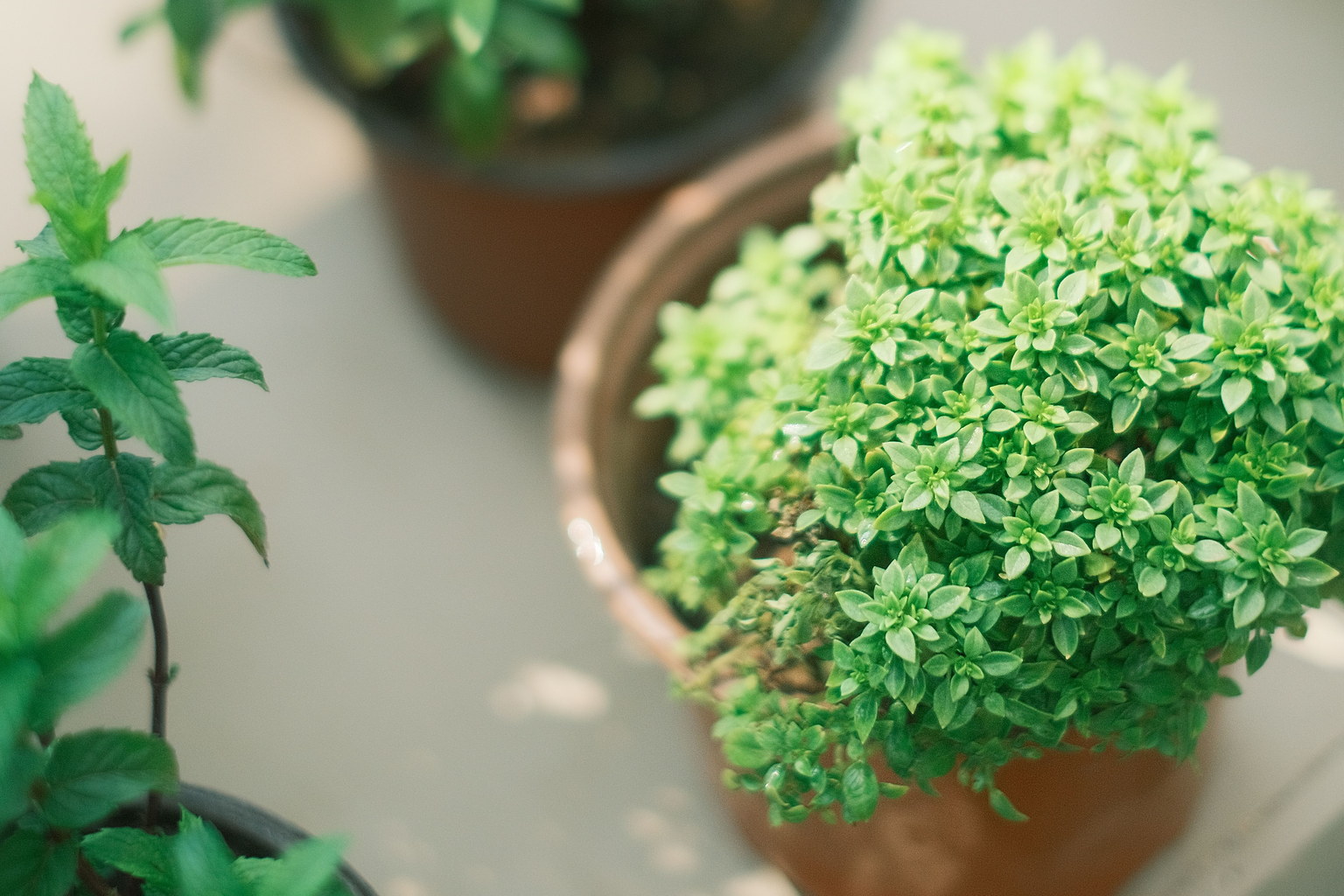

On a hot patio, finding a place for vegetable pots means looking at the space around them as well as the plants. Sun reaches the leaves and container walls differently, and nearby paving or decking is part of the setting to check.
Compare those exposures before moving a pot or adding shade, while keeping the crop’s light needs and root-area moisture in view. A warm surface alone does not tell you the temperature inside the growing mix.
Map Where Heat Reaches The Leaves And Pot Walls
Label a few possible container positions on your existing sunlight map. At each spot, note sun on the leaf canopy and pot sides, along with nearby walls, paving, decking, or metal. Nearby surfaces can affect heat around container plants, so include them in your comparison.
Record the date, time, and weather as you check the spots. The forecast describes expected air conditions; a pot wall that feels warm tells you about its surface. Neither measures the temperature inside the growing mix. That temperature can vary within a pot and through the day or season. Mark it unknown unless you have a measurement, and record where and when any reading was taken.
Record pot color and reflected sunlight separately. A light-colored pot surface can reflect more incoming sunlight than a dark one, while reflective ground can send sunlight toward container walls.
Compare A Different Position Before Adding Shade
A spot with morning sun and afternoon shade is one option to evaluate during hot conditions. Use your sunlight log to check the new position against the crop’s light needs for the growing season.
Also check whether you can reach the pot to water and tend it. Where possible, choose its position before filling a large container; wet mix and a mature plant can make it difficult to move. If relocation is impractical, consider shading an exposed pot wall while leaving the container in place.
Shade The Pot Wall Without Blocking Needed Light
Dark container sides in strong sun can warm the growing mix. Shading a sunlit sidewall may reduce heat absorbed by sun-exposed container walls. The effect depends on the site, and you may be able to shade the wall while leaving the leaves in suitable light.
Grouping pots can shade some sidewalls, but check the space the plants will need as they grow. Crowded canopies can compete for light and restrict airflow or access. Leave drainage clear, and reassess the grouping as the leaves spread or seasonal sun changes.
Give Temporary Shade A Clear Job
Decide whether temporary shade will cover a pot wall, the foliage, or one exposed position. If it reaches the leaves, check that the crop still gets suitable light. Keep shade cloth above plants with room for airflow beneath it. Use a suitable support according to its instructions and the rules for your space; do not improvise a railing attachment.
There is no single shade percentage for every vegetable container. Recheck the setup when the canopy grows or the season changes. On a windy balcony, plan container placement around the wind before changing a shade setup.
Keep Moisture Checks Separate From Heat Changes
Leaves can wilt in hot conditions even while the growing mix is moist. Check the mix below the surface before watering; drooping alone does not establish dryness or identify the cause.
When watering is needed, follow the container-watering steps. If the mix is moist, review exposure separately instead of adding water because the leaves droop. Moist mix alone does not establish heat as the cause of a decline.
Record One Change And Check Again
Keep your exposure map and add a short entry for each change:
| Field | What To Record |
|---|---|
| Starting Check | Map position ID, date, time, weather, and mix moisture |
| One Change | What you changed and whether it targets the pot wall or canopy |
| Recheck Trigger | When or under what conditions you will look again |
| Next Observation | Date, time, weather, mix moisture, and what you observe |
| Decision | Keep the change, adjust it, or seek crop-specific guidance |
For a hypothetical comparison, Spot A has a dark pot wall facing afternoon sun beside sunlit paving. Spot B gets afternoon shade, but its light record is incomplete. Finish that light check before choosing B. If B is unsuitable or impractical, consider shading the exposed wall at A while leaving the canopy in suitable light.
Compare observations at a similar time and in similar weather when possible. Record any weather difference: a cooler or cloudier day makes it hard to tell whether your adjustment caused a change. If the plant continues to decline without a clear explanation, seek crop-specific guidance before making further changes.