
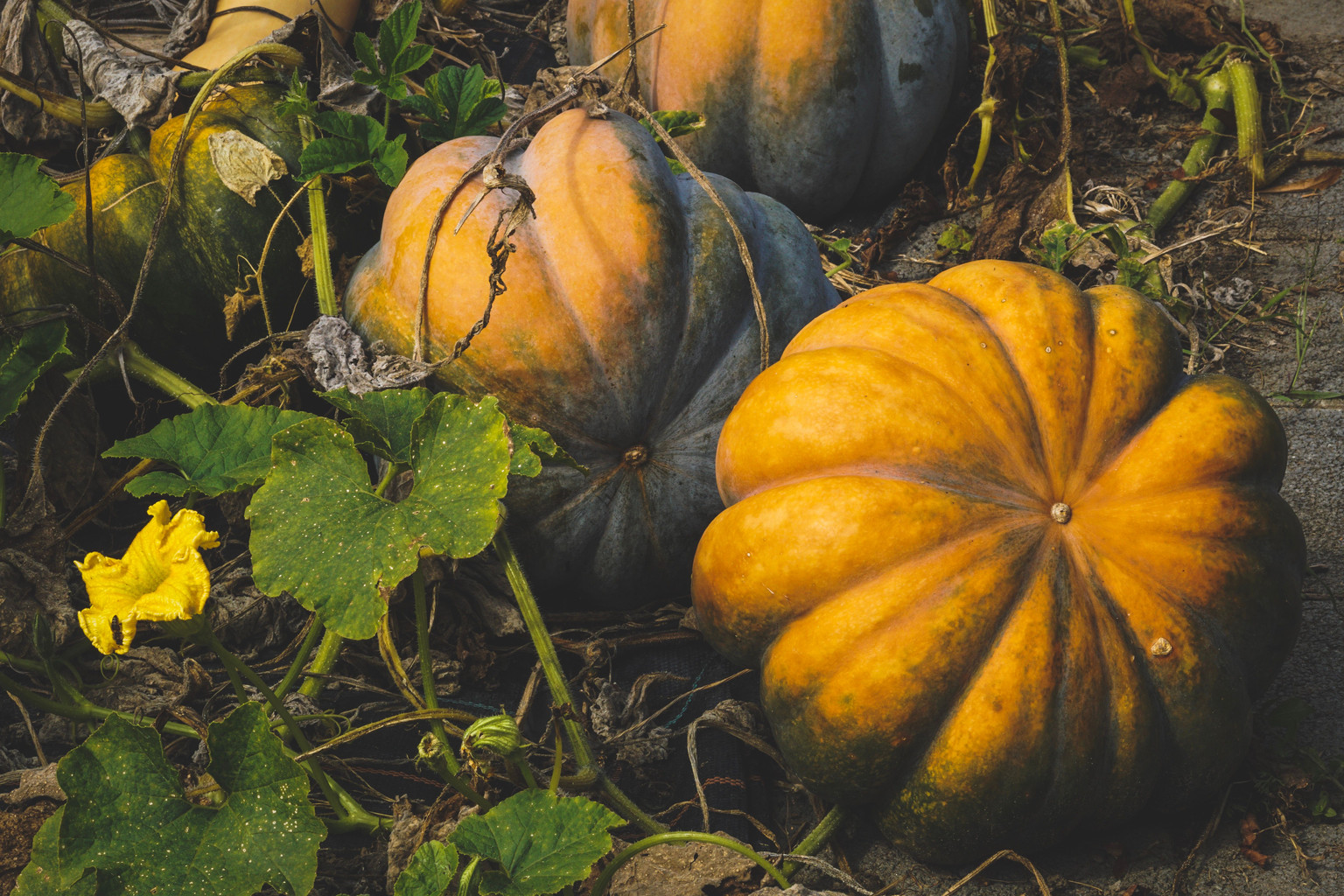

A spare patio corner may offer room for a winter-squash pot. Working out where the rest of the plant would go is part of deciding whether to use it: mature leaves, vines, and fruit can extend beyond the container.
This guide helps you assess that space before buying seeds or filling a planter. You’ll compare a named variety with the site, record six practical checks, and choose a next step: use the spot as planned, adjust it and recheck, or choose another site or crop.
Start With The Named Variety
Winter squash is a warm-season crop harvested at mature-fruit stage. Zucchini is picked young. The site needs to remain suitable until the chosen winter-squash variety is ready for mature harvest.
Read the seed packet or nursery label for the exact variety, its mature habit, fruit description and days to maturity. Some varieties make long vines, while bush types are more compact. “Bush” does not mean the plant stays within the pot’s footprint, and small fruit does not tell you how far the leaves and vines will spread.
Check Sunlight And The Warm Growing Window
Use at least six hours of direct sun a day as a planning baseline and aim for eight to ten when the site allows. The University of Maryland’s winter-squash guide gives this light target. Check near the height where the leaves will grow, since a bright patio can still be shaded by a wall, tree, roof or railing.
Observe the spot during the crop’s growing season and record direct sun separately from dappled light or general brightness. Follow the sunlight-measuring method to track moving sun and shade.
Winter squash is frost-sensitive. Use local planting guidance for when frost danger has passed and conditions are warm enough. Compare that planting window with the likely end of the usable warm season and the chosen variety’s maturity information.
Copy the packet’s day count and its stated starting point, such as sowing or transplanting. If the starting point is missing, leave it blank until the variety’s own growing information confirms it. Do not substitute a generic squash range or subtract seedling age automatically.
Flowers or small fruit show progress; the crop still needs time to mature before cold weather threatens it.
Match The Container To The Crop
Winter squash is a large plant, so container growing takes planning. The University of Saskatchewan’s winter-squash container guidance says to use the largest practical container, at least 19 liters (5 U.S. gallons), with drainage. It also recommends thinning seedlings to one strong plant. The page presents 19 liters as a starting minimum; the chosen variety still has to fit the container’s usable capacity, depth and width.
Use a container potting mix that lets roots access air and water. Keep ordinary drainage holes open; a reservoir planter uses a different setup, so follow its instructions. One established plant per suitable container is a straightforward first plan, with the actual cultivar and planter directions guiding the fit.
Map The Vines, Fruit And Access
Mark the container base and the area where mature vines and leaves may spread as separate parts of your plan. Use the variety’s described habit, and leave a clear route for walking past the pot, watering, reaching flowers and picking fruit. Compact or bush types may be easier to place, but they still need room beyond the container. No single clearance measurement fits every cultivar and patio.
If the variety vines, decide before planting whether the site has room for suitable support and the mature crop. Some larger hanging fruit need separate support; a trellis redirects growth but still needs vine and fruit space. If a support, rail or attachment point’s suitability or permission is unknown, get site-specific confirmation from the responsible owner or a qualified professional before using it. If you cannot confirm the setup, choose another support, layout or variety and recheck.
Check Care And Pollinator Access
Make sure someone can reach the pot to check moisture near the roots and water when the mix needs it. Weather, pot material and growing mix affect how quickly a container dries, so a fixed daily schedule is not a dependable plan. The existing container-watering guide explains the root-area check and slow watering method.
Pollinating insects need access to winter-squash flowers for ordinary fruit set. If using a protective cover, plan how it can be opened or removed when flowers appear. Cold, rainy or cloudy weather can also affect insect activity, so site suitability does not guarantee that every flower will set fruit.
Record These Six Site Checks
Record these six items before planting:
- Variety: Exact name, mature habit, fruit description and specification source.
- Sun: Direct-sun hours at the expected leaf position during the growing season.
- Season: Days to maturity and stated starting point, intended sowing or transplanting date, local planting window and likely end of the usable warm season.
- Container: Usable capacity, depth, width, potting mix and drainage or reservoir setup.
- Vines And Fruit: Container base, mature vine route, fruit space, support and clear access.
- Care And Flowers: Who can check and water the pot, and how insects can reach flowers.
Choose A Next Step
Suitable As Planned: The named variety, sunlight, warm window, container, vine and fruit route, and care plan fit, with any needed support and permission checks confirmed. Keep the notes with the seed packet and follow its planting directions.
Change The Plan And Recheck: A different spot, variety, container or support plan may fit better. Update the six checks before planting.
Not Suitable Yet: A key need such as direct sun, warm growing time, root space, vine room or practical care access is missing or unconfirmed. Choose another site, season or crop. Use the six checks to identify what would need to change before planting.