
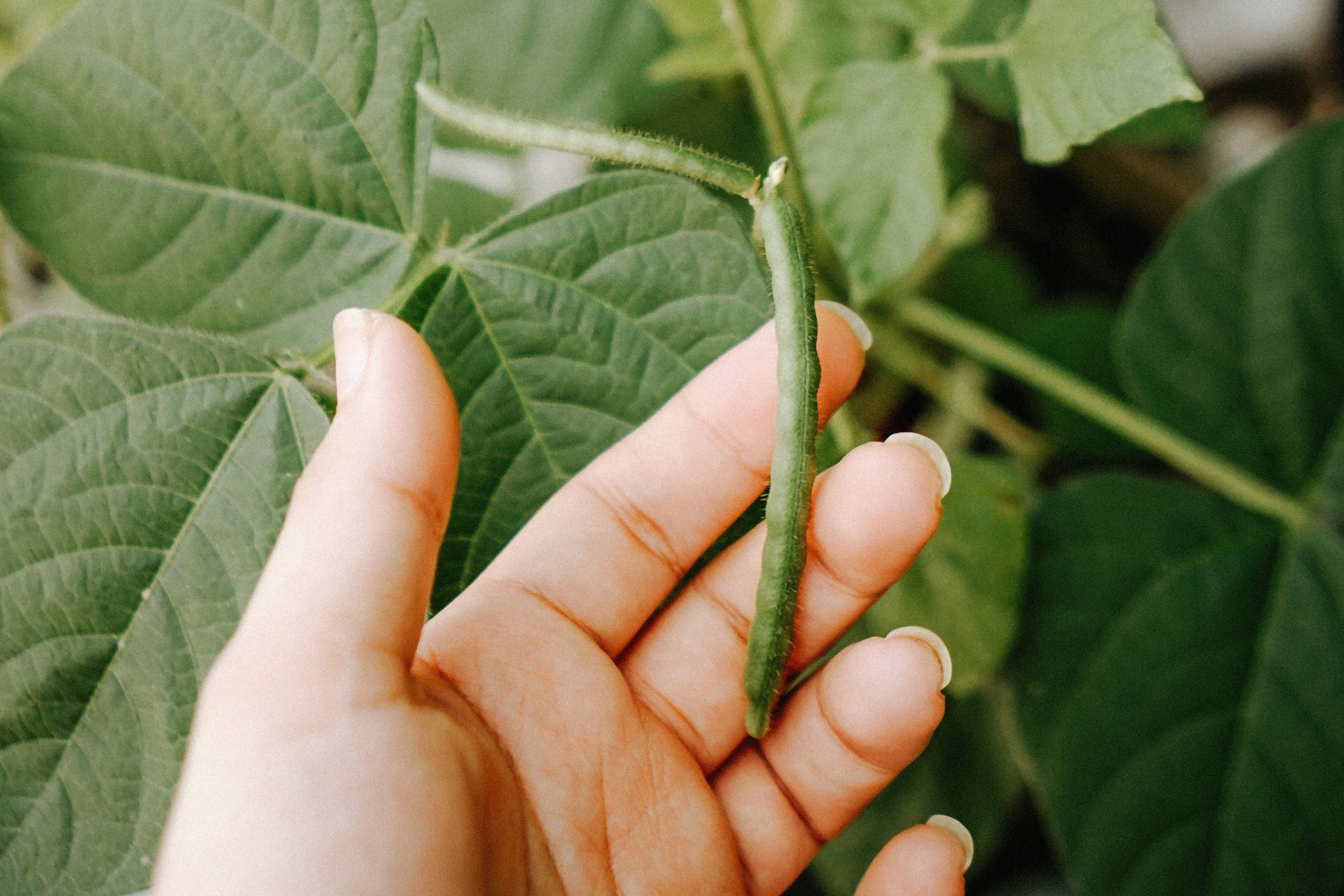

If you're making room for beans on a patio, think about the space around the pot as well as the pot itself. Bush beans stay compact, while pole beans need a climbing route you can reach for watering and picking. Either can work in a suitable container.
From choosing the type to picking tender snap pods, this guide helps you match the variety, container and support, then plant and care for the crop. Start with two details on the seed packet.
Choose By Growth Habit And Harvest Use
This guide focuses on common beans (Phaseolus vulgaris), especially snap varieties. “Bush” or “pole” describes growth habit; “snap,” “shelling” or “dry” describes the harvest goal. A pole variety can still be grown for snap pods.
As you plan, note two details from the packet:
- Harvest use: snap, shelling or dry
- Growth habit and variety: bush or pole, plus the variety name
| Type | Growth And Space | Usual Harvest Pattern |
|---|---|---|
| Bush | Compact and upright; most varieties do not need a tall trellis, though some benefit from a small support. | Often a more concentrated picking period; regular picking may extend it. |
| Pole | Climbing stems twine around a support and need a vertical route. | Often crops over a longer stretch, depending on variety and conditions. |
Choose based on the support you can place and reach; either type still needs enough root room, sun and access for watering. Other bean species use their own planting guidance.
Match The Container And Support
Container guides use different measurements. Keep each example with the bean type and setup it describes:
| Setup | Container Example | Reader Note |
|---|---|---|
| RHS dwarf (bush) French beans | 12 to 18 inches (30 to 45 cm) wide | The example gives width, not depth or a final plant count. |
| RHS climbing (pole) French beans, large wigwam | At least 30 inches (75 cm) wide and 18 inches (45 cm) deep | These dimensions belong to that large supported setup. |
| University of Maryland container chart, bush beans | 2-gallon minimum volume | Listed for bush beans; the chart gives no plant count. |
The RHS French bean guide lists separate dwarf and climbing examples. The University of Maryland container chart lists the bush-bean volume. Width, depth and gallons measure different things. Use the actual container, variety and planting plan; pot volume alone does not set a plant count.
Use potting mix made for containers and make sure excess water can drain. Follow the planter's directions for a reservoir-style pot, since its fill and watering setup differs from an ordinary pot with drainage holes. Pre-moisten very dry mix before filling and leave room near the rim for watering.
For pole beans, install the support before sowing or setting out a young plant. Choose a route that fits the variety and container, leaves room to water and pick, and does not shade nearby plants unnecessarily. The RHS climbing-container example also calls for a pot heavy enough to resist toppling as the beans grow up their supports. Follow the planter and support directions, and recheck the setup's stability as the vines grow.
Pick A Warm, Sunny Outdoor Spot
Plant beans outdoors after local frost risk has passed and the growing mix has warmed. Use the seed packet and local forecast to guide timing.
Choose a sunny outdoor spot and check the light where the pot will sit. A tall support can shade part of the container, and easy access makes watering and picking simpler. The guide to measuring sunlight before placing containers explains how to observe direct sun at a proposed location.
Sow, Thin And Label Each Pot
Direct sowing is simple once outdoor conditions suit the crop. Follow the packet for seed depth and spacing; recommendations vary by variety. If you use young starts, gradually acclimate them to outdoor conditions, handle the root balls gently and follow nursery directions.
Keep “seeds sown” separate from “plants retained.” The RHS dwarf example uses 6-inch (15 cm) spacing. Its climbing wigwam example sows two seeds per cane, then thins to the strongest plant. These directions belong to their specific layouts; they do not set a total plant count for a different pot. Thin according to the packet or chosen planting plan.
Label each pot with the variety, growth habit, harvest use and planting date. That date lets you compare the variety's stated maturity information with the warm growing time left in your area.
Water And Feed Based On The Pot
Check moisture in the mix near the roots and look at how well the container drains. Pay particular attention while flowers and pods are developing, and check more often in warm or windy weather. Let the mix and plant guide watering rather than a set calendar. If the mix near the roots is dry, water slowly and let excess drain from an ordinary pot. For a reservoir planter, follow its refill instructions. For a practical root-zone check, see How To Water Container Vegetables.
Bean roots can partner with Rhizobium bacteria, but that does not guarantee every pot has those bacteria or enough nutrients. Before adding fertilizer, check what the potting mix contains and what has already been applied. Use a fertilizer suitable for edible container plants and follow its directions. The guide to building a fertilizing plan for container vegetables covers how to track mix and feeding instructions.
Recognize Flower Stress And Harvest Snap Pods
Common bean flowers can pollinate themselves, so a second plant or routine hand-pollination is not needed just to transfer pollen. Heat and other stress can still affect flowers and pod set; self-pollination does not mean every flower will produce a bean.
For snap beans, pick pods while they are tender and before the seeds visibly bulge. Check the variety's harvest guidance because pod length differs among filet, flat-pod and other types. Regular picking supports continued cropping, though harvest length depends on variety and conditions.
For shelling beans, wait for full-sized seeds that are still soft. For dry beans, let the seeds mature and both pods and seeds dry on the plant.
Check Problems And Plan Another Sowing
| What You Notice | First Check |
|---|---|
| Seeds do not emerge | Check mix warmth and moisture, drainage and the packet's depth instructions. |
| Leaves wilt or growth slows | Check moisture near the roots, drainage, heat and what the potting mix contains; a wilted leaf alone does not identify the cause. |
| Flowers appear but pods do not | Check for heat, moisture problems or other growing stress before changing the planting plan. |
| Visible leaf damage | Identify the pest or cause before choosing a treatment. |
A later bush sowing may extend the harvest when space and warm growing time remain. Compare the variety's maturity information with your local season before planting again.