
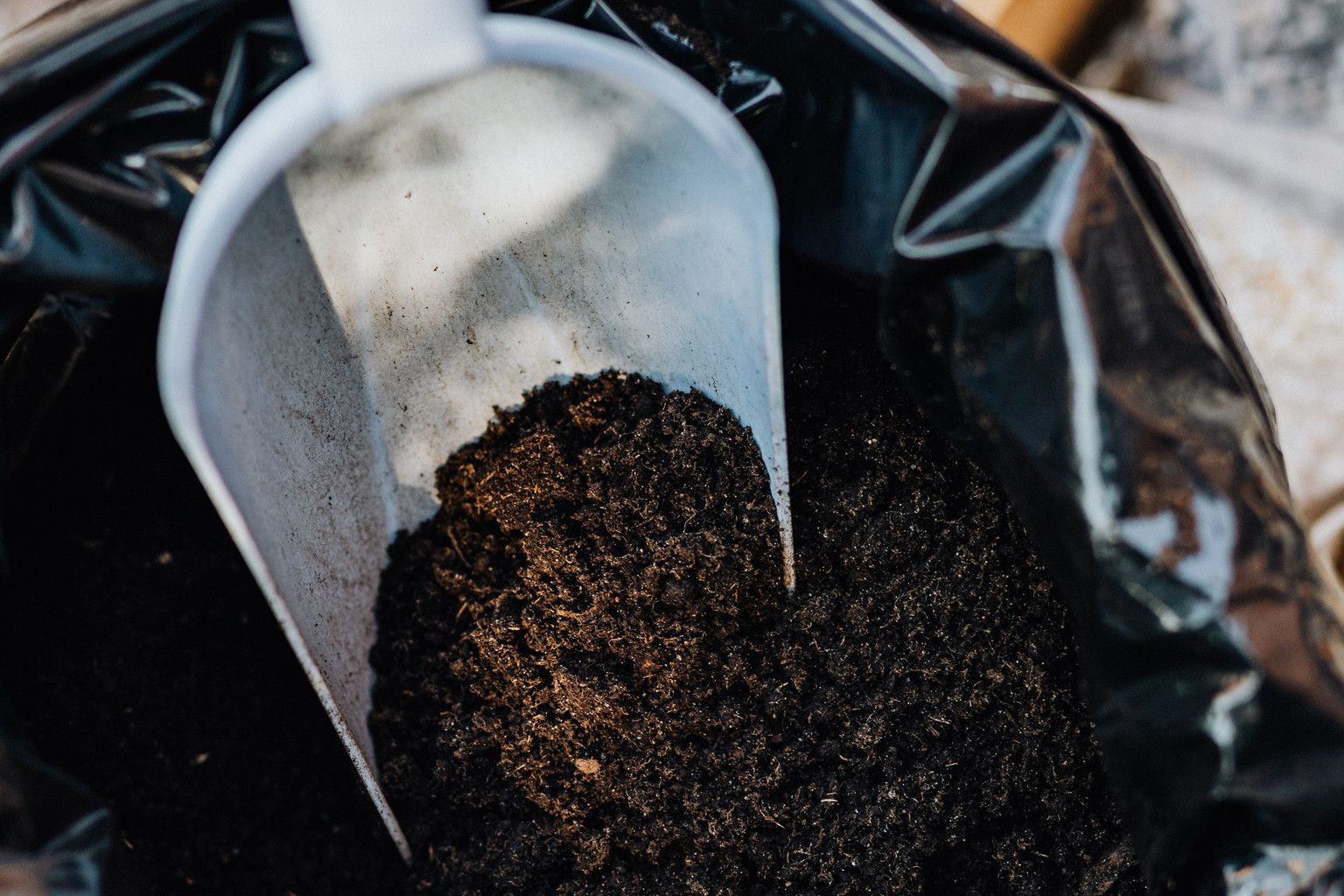

If you are checking dissolved salts in a vegetable pot, an electrical conductivity (EC) test can help you decide what to investigate next. The reading reflects combined dissolved ions; it does not identify individual nutrients or diagnose a plant problem.
Begin with the test method, units, and a matching crop reference. The filtered 1:2 procedure below provides a repeatable home check; the worked interpretation uses a separate laboratory method. Keeping those results distinct helps you avoid drawing conclusions the test cannot support.
What An EC Test Can Tell You
An EC meter measures how well the liquid extracted from a growing medium conducts electricity. That reading reflects the combined dissolved ions in the sample. It does not show which nutrients are present, whether a particular nutrient is sufficient, or what is causing a plant symptom. EC also does not measure pH.
A high reading can include salts from fertilizer, irrigation water, or other sources. A low reading does not identify a specific deficiency. When the question concerns a particular nutrient or persistent plant symptoms, use an appropriate lab analysis or get help interpreting the full growing conditions.
Water and growing-medium EC are separate measurements. For the water result, see what your tap-water EC result means.
Choose The Test Before Comparing Numbers
Growing-medium tests use different extraction methods. Each one prepares or collects a different liquid, so its result needs a matching crop and method reference.
| Method | What The Test Uses | Key Point |
|---|---|---|
| 1:2 substrate-to-water | A measured volume of growing medium mixed with twice that volume of distilled water | A removed root-zone sample is prepared and filtered. |
| Saturated-media extract | A medium sample brought to a defined saturated condition, then filtered | Commonly handled as a lab test; use the lab’s stated method and report conditions. |
| PourThru | Water displaced from a container after a defined watering and waiting procedure | It is not ordinary runoff. Moisture, collection volume, and irrigation setup affect whether the method fits. |
The written ratio can be confusing: 1:2 substrate-to-water means one volume of medium and two volumes of water. Some references write the same ratio in the reverse order as 2:1 water-to-medium.
Record the crop and stage, medium, sample preparation, extraction method, timing, units, and reference conditions with each result. A unit conversion can restate the same extract in different units; it cannot turn a 1:2 result into a saturation-extract or PourThru result. Source-water EC is another sample and should not be compared as though it were a medium extract.
A direct probe also measures under its own conditions. Treat it as a separate method unless the instrument procedure and comparison reference specifically support that use. For a lab test, follow that lab’s collection and preparation directions, including how to handle the sample before sending it.
Collect And Prepare A 1:2 Sample
Use the filtered 1:2 method with an established soilless container that can provide enough representative root-zone medium without damaging the plant. The full sequence appears in the soilless-substrate testing guide.
Gather an EC meter designed for liquids, a fresh EC calibration solution, distilled water, separate volume measures, a clean mixing container, a clean lined funnel, a receiving cup, and labels. Keep the sample, tools, and notes identified.
- Label the pot or comparable crop group. Record the crop and stage, mix, fertilizer history, and recent irrigation. A result represents the pot or group sampled; it does not describe every container. Take a representative sample from the root zone rather than scraping only the surface, where salts can collect. Avoid crushing fertilizer prills. Do not combine different crops or a problem pot with a comparison pot unless a lab has provided a sampling plan.
- Measure the medium and water separately by volume. Use one volume of medium and two volumes of distilled water. For example, 60 mL of medium takes 120 mL of water. Keep the measuring and packing method consistent. Do not weigh the medium or fill a jar to a combined-volume mark after adding water.
- Combine and mix the measured portions. Let the mixture stand for 30 minutes.
- Filter it through a clean lined funnel into a clean receiving cup. Do not add more water just to make enough liquid for the meter. When the pot cannot provide a suitable sample or the extract is too small, use a lab’s instructions or another supported test method.
The selected filtered sequence has no air-drying step. Other 1:2 procedures may prepare the medium differently, and slurry tests use different steps. Keep the whole sequence together rather than borrowing one step from another method. Follow a laboratory’s directions for any submitted sample; do not air-dry it unless the lab says to.
Measure And Record The Reading
Use an EC meter designed for liquid samples and with a range that covers the expected readings. Calibrate it with a fresh EC calibration solution appropriate for the meter, following the meter and solution directions for temperature. Pour a separate portion into a clean container. Let the meter reading stabilize in that solution, then set or verify the value printed on the EC calibration-solution label. A pH buffer is not an EC calibration solution. Discard the used portion; do not return it to the bottle.
Rinse the sensor between the calibration solution and sample. Immerse the sensing portion as the meter instructions specify, gently release any bubbles, and wait for a stable reading. Keep the cup and probe clean so one liquid does not contaminate the next. Temperature compensation and the displayed reference temperature vary by instrument, so use the settings and directions for that meter.
Record the result with the crop and stage, medium, sample date and irrigation timing, extraction method and preparation, units, temperature or reference setting, the calibration solution and its labeled value, the calibration date, and the meter range. Those details let you repeat the procedure and choose an appropriate comparison.
The common EC units convert as follows:
- 1 mS/cm = 1 dS/m
- 1,000 µS/cm = 1 mS/cm
Keep the extraction-method label beside any converted value. Pause interpretation when the unit, calibration, sample identity, liquid volume, or stable reading is missing; correct the measurement record first.
Read A Method-Matched Example
The home walkthrough above produces a 1:2 extract. This fictional lab report uses a separate saturation-extraction method for young tomato transplants in soilless medium.
Assume the report confirms the UGA B1144 saturation extraction, its calibration and reference conditions, units, and suitability for this crop and stage. The method uses about 200 cc of medium, distilled or deionized water added to a glistening saturated condition, 1.5 hours of equilibration, and vacuum filtration.
| Report Detail | Hypothetical Value |
|---|---|
| Crop and stage | Young tomato transplants |
| Extraction | Confirmed saturation extract matching the reference |
| EC result | 2,500 µS/cm |
| Converted result | 2,500 ÷ 1,000 = 2.50 mS/cm = 2.50 dS/m |
| Method-specific comparison | About 2.25 mS/cm caution point for that vegetable-transplant method |
| Difference from caution point | 2.50 – 2.25 = 0.25 mS/cm |
Use the result as a reason to review the report and growing conditions. The vegetable-transplant caution point applies to this method and crop context; it does not set an optimum or a mature-tomato threshold, and it does not prove plant injury or identify a nutrient.
Confirm the report’s units, extraction method, crop and stage with the lab before using the comparison. Then review the roots, irrigation and drainage, medium, fertilizer, and source-water history. A 1:2 result, PourThru result, water result, or result with an unidentified method cannot use this saturation-extract comparison.
Choose A Next Step
For an unexpected high or low result, check the sample identity, preparation, timing, calibration, temperature setting, and units. Repeat the same valid method when the reading may be affected by a preparation or meter error. Compare only with a reference that matches the extraction method and crop stage.
For a result that remains concerning, look at the whole container history: the mix and any fertilizer already in it, feeding records, watering source, irrigation, drainage, and root condition. Review the container’s fertilizer and feeding history alongside the EC result.
For persistent symptoms, unexplained readings, or an incomplete method reference, share these details with a growing-medium lab or local Extension adviser: crop and stage, the method and units on the report (or what is missing), results over time, and the mix, fertilizer, water, and irrigation history. Get the lab’s sample-collection directions before taking a sample. Use its interpretation and the growing context to choose corrective management. An EC reading alone cannot set a fertilizer dose, tell you to flush, or calculate a flushing volume.